Ghana’s 69th Independence Celebrations Across Europe Signal Growing Diaspora Engagement and Investment Potential
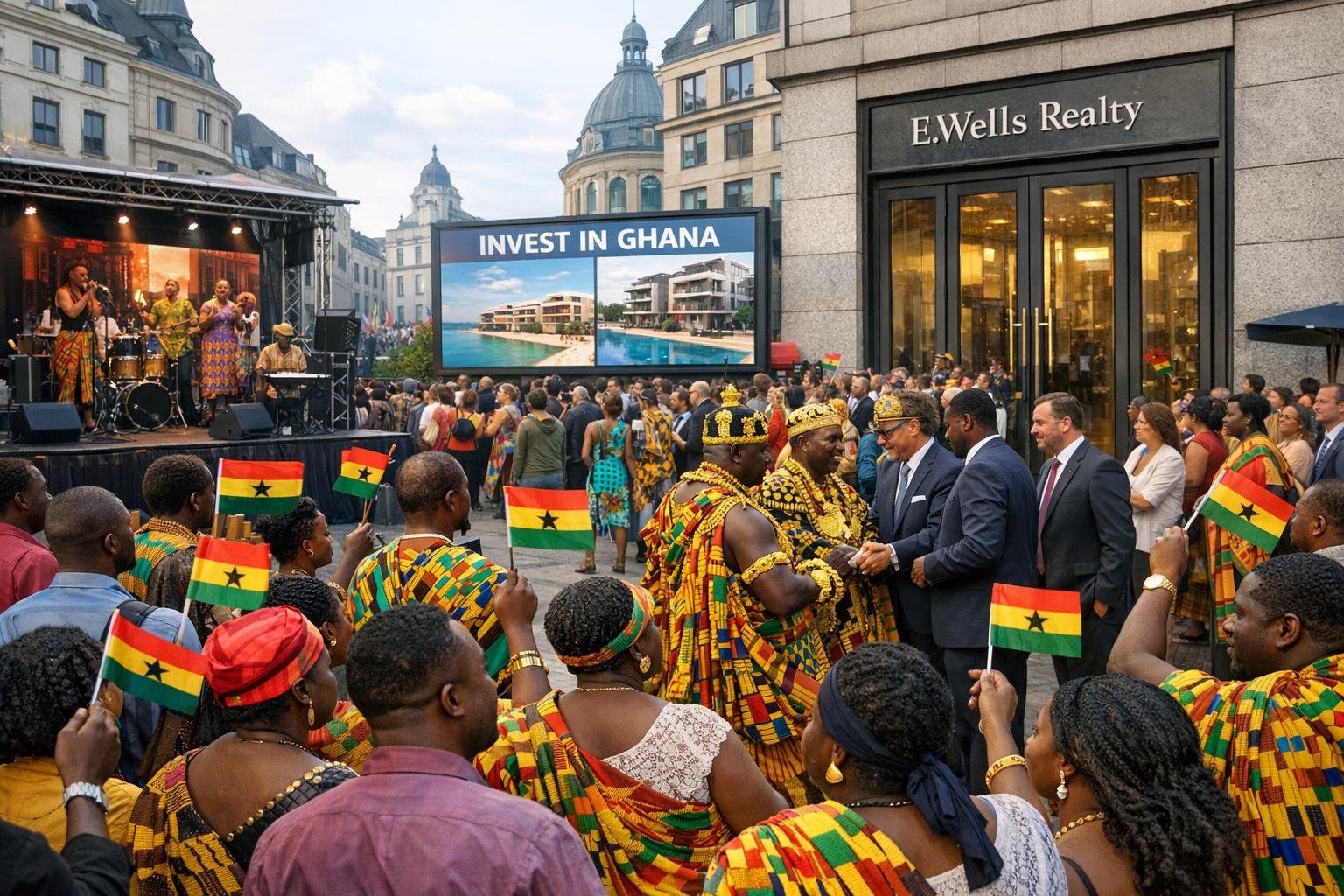
Ghana’s 69th independence anniversary in March 2026 will be marked by an unprecedented series of celebrations across Europe, signaling the growing size, cultural confidence, and economic influence of the Ghanaian diaspora. According to GhanaWeb, MyJoyOnline, and the Embassy of the Republic of Ghana in Copenhagen, events are planned in Oslo, Paris, Amsterdam, and Copenhagen, featuring award-winning musicians including Fameye and Andy Dosty, traditional leadership representation, and a policy symposium focused explicitly on diaspora investment and national development.
The Oslo event on March 6, 2026, at Melahuset will feature not only live performances but also a business summit and royal durbar with Nana Ohweapem of the Gomoa Assin Traditional Council. Paris and Amsterdam will host celebrations on March 6 and 7, headlined by Hitz FM’s Andy Dosty. Meanwhile, the Ghana Embassy in Copenhagen will convene a high-level symposium on March 5, bringing together diaspora members, academics, and development stakeholders to discuss capacity building, diaspora investment as a catalyst for sustainable economic development, and youth engagement in tourism promotion.
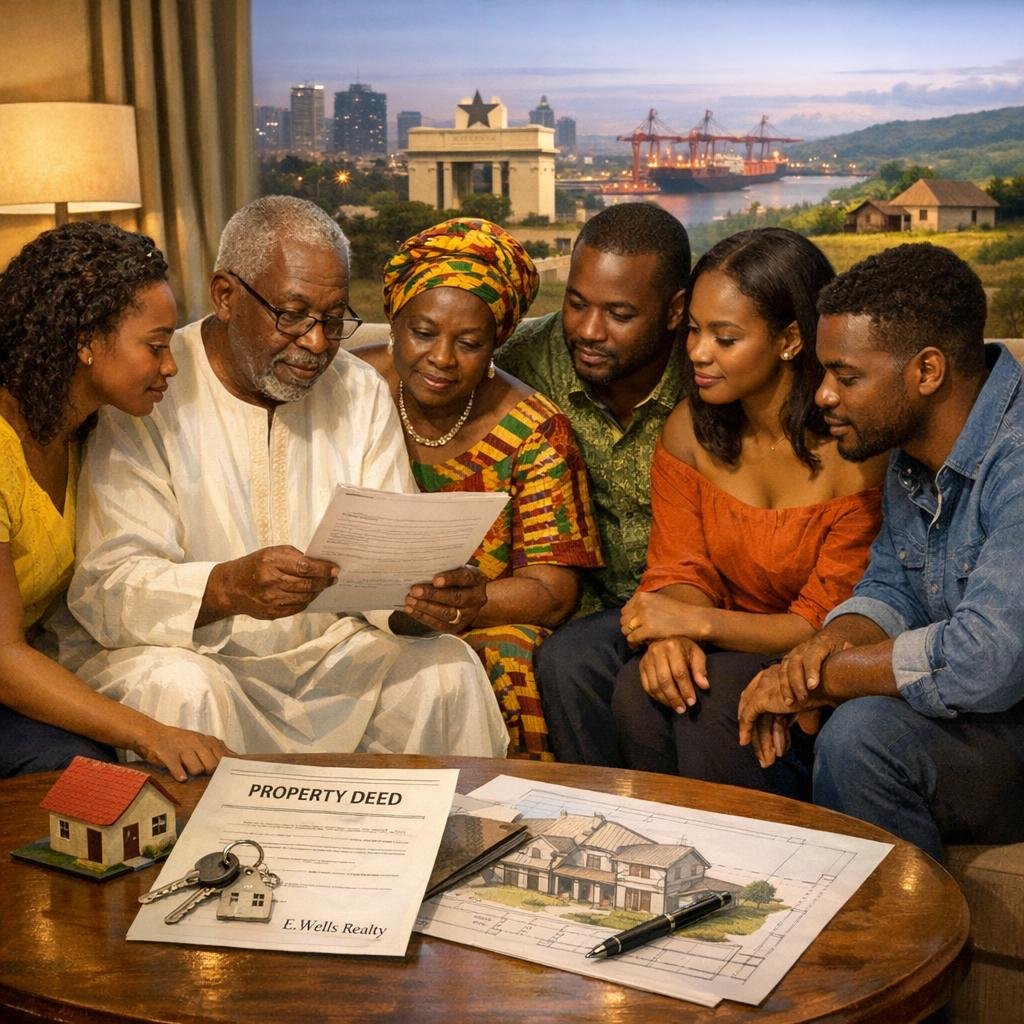
Core insight: These coordinated celebrations reflect a maturing diaspora community that is not only culturally connected but increasingly viewed by Ghana’s government and private sector as a strategic partner for investment and development. For diaspora Ghanaians considering property investment back home, this moment represents both validation of their role in the national conversation and a practical opportunity to act while institutional support and peer networks are expanding.
What Does This Wave of Diaspora Engagement Mean for Property Investment in Ghana?
The emphasis on diaspora investment at the Copenhagen symposium is particularly telling. When an embassy dedicates a formal policy dialogue to harnessing diaspora capital and expertise, it signals that government and institutional actors recognize the diaspora as a priority investor class, not simply a remittance source.
For Ghanaians living abroad, this creates a more favorable environment for property acquisition and development. Increased diplomatic attention often translates to clearer processes, better access to information, and in some cases, streamlined procedures for non-resident investors. It also reflects the reality that diaspora buyers are now a significant force in Ghana’s residential and commercial real estate markets, particularly in Accra’s established neighborhoods and emerging suburban developments.
The presence of traditional leadership at the Oslo event is equally significant. Land acquisition in Ghana often involves engagement with traditional authorities, particularly in peri-urban and rural areas where customary land tenure remains prevalent. When traditional leaders participate in diaspora forums, it reinforces the legitimacy of diaspora claims to land and property, and it opens informal channels of communication that can be invaluable during the acquisition process.
Is Now a Good Time for Diaspora Clients to Invest in Ghanaian Real Estate?
Yes, the current environment presents a window of opportunity, provided investors proceed with proper due diligence and professional guidance. The convergence of cultural celebration, policy dialogue, and business networking creates momentum that often precedes tangible shifts in market accessibility and investor confidence.
However, the fundamentals remain unchanged. Non-citizens acquire Ghanaian property through renewable leaseholds of up to 50 years; freehold is generally reserved for citizens. Land registration in Ghana typically takes 6 to 12 months, and land-related disputes are common in Ghana’s courts, which is why title verification before payment is non-negotiable. The enthusiasm surrounding independence celebrations should not override the need for rigorous verification, legal review, and on-ground representation.
What has improved is the ecosystem around diaspora investment. More real estate consultancies now offer remote transaction support, virtual site inspections, and escrow-like payment structures that reduce fraud risk. The policy focus on diaspora investment may also lead to incremental improvements in land administration, digital title systems, and dispute resolution mechanisms, though these changes unfold gradually.
What Should Diaspora Investors Consider Before Committing to a Property Purchase?
First, verify the title. This means engaging a qualified lawyer in Ghana to conduct a search at the Lands Commission and confirm that the seller holds legitimate title and that the land is free of encumbrances, litigation, or competing claims. This step must happen before any payment is made, not after.
Second, understand the leasehold structure. A 50-year leasehold is renewable, but renewal is not automatic. Ensure the lease agreement includes clear renewal terms and that you understand the process and costs involved. If you are purchasing an existing leasehold, confirm how many years remain and whether the lease is in good standing.
Third, work with a consultancy that has on-ground presence and a track record with diaspora clients. Remote property transactions carry inherent risk, and the value of a trusted local partner cannot be overstated. That partner should be able to verify listings, accompany you or your representative to site visits, liaise with traditional authorities where necessary, and coordinate with your legal and financial advisors.
Fourth, budget realistically for the full transaction. Beyond the purchase price, account for legal fees, land registration fees, survey costs, and any outstanding property rates or levies. If you are planning to build, factor in the cost of materials, labor, and the time required to secure building permits and complete construction. The average cost of building a house in Ghana varies widely by location, design, and finishes, so obtain multiple quotes and build contingency into your budget.
How Does This Diaspora Momentum Affect the Broader Ghanaian Property Market?
Increased diaspora engagement tends to elevate demand in specific segments of the market, particularly serviced plots in gated communities, completed homes in established neighborhoods such as Airport Residential Area and Cantonments, and rental properties in areas with strong expatriate and returning diaspora populations. This demand can support price stability and, in some cases, modest appreciation, particularly for properties with verified title and modern amenities.
For local Ghanaian buyers and sellers, the diaspora influx can be a double-edged dynamic. On one hand, it brings capital into the market and can stimulate development and infrastructure investment. On the other hand, it may contribute to upward price pressure in desirable areas, making affordability a challenge for local first-time buyers. The key for local participants is to focus on neighborhoods with strong fundamentals, transparent pricing, and clear title, and to move decisively when opportunities arise.
For general market followers, the independence celebrations and policy symposium are worth watching as indicators of where government and private sector attention is focused. If the Copenhagen symposium produces concrete policy recommendations and those recommendations are adopted, we may see incremental improvements in land administration, diaspora-friendly financing products, and investment promotion mechanisms over the next 12 to 24 months.
Frequently Asked Questions
Can diaspora Ghanaians own land outright in Ghana?
No, non-citizens, including diaspora Ghanaians who hold foreign citizenship, cannot own freehold land in Ghana. They acquire property through renewable leaseholds of up to 50 years. Ghanaian citizens, including dual citizens, may be eligible for freehold ownership depending on the land tenure system in the area of purchase.
What is the biggest risk for diaspora buyers purchasing property remotely?
The biggest risk is paying for land or property without verified title. Land fraud, double sales, and disputed ownership are common in Ghana’s property market. Always engage a qualified lawyer to conduct a title search at the Lands Commission before making any payment, and work with a trusted consultancy that has on-ground presence to verify the legitimacy of the seller and the property.
How long does it take to register land in Ghana after purchase?
Land registration in Ghana typically takes 6 to 12 months, though delays are common due to administrative backlogs and the need to resolve any title issues that arise during the process. Budget for this timeline and ensure your lawyer follows up regularly with the Lands Commission to keep the process moving.
E. Wells Realty & Consultancy has supported homeowners and investors in Ghana since 2014, offering vetted listings and on-ground guidance for both local and diaspora clients. Explore current listings, learn more about our consultancy services, or reach out directly at info@ewellsconsult.com to discuss your next step with confidence.