
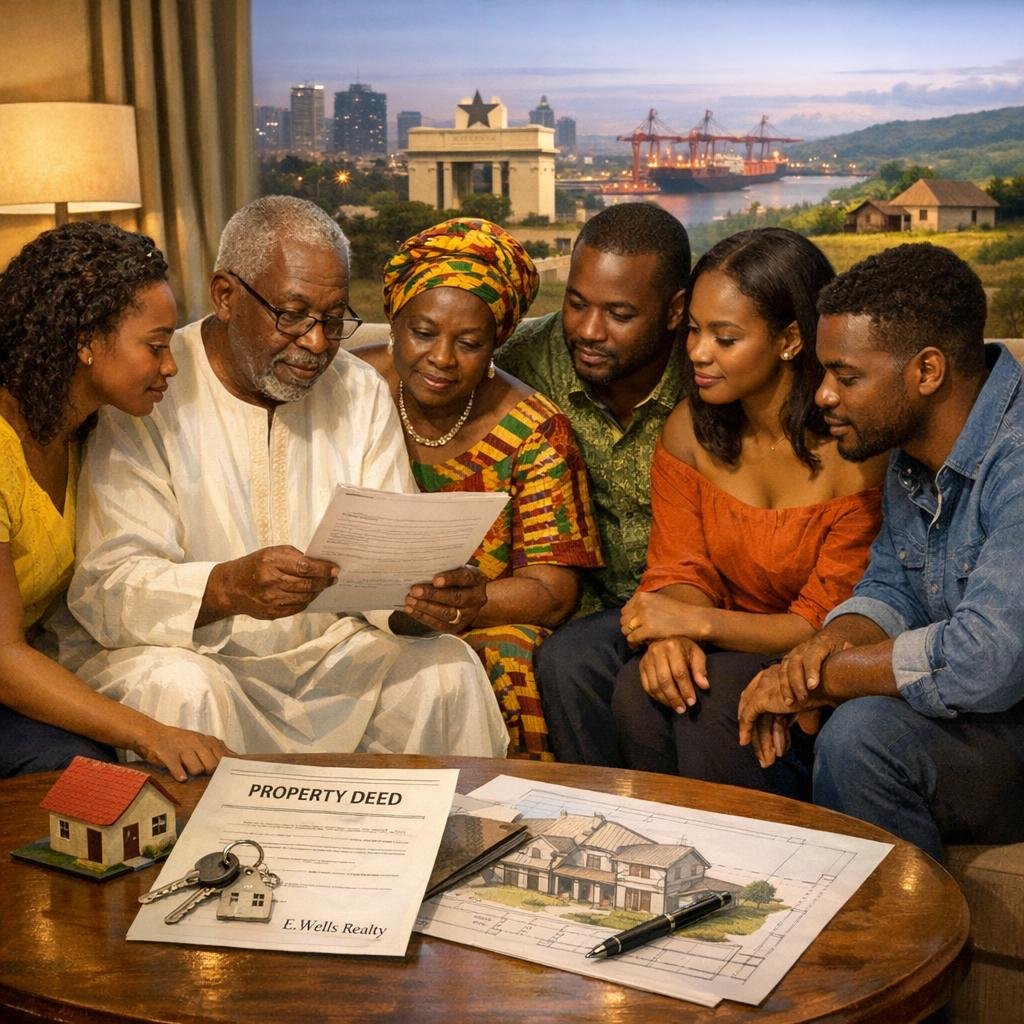
Why Estate Planning Matters for Property Owners in Ghana
On October 18, 2024, the Center for Financial Literacy Education Africa convened its second National Estate and Gift Planning Awareness Conference at the Ghana-India Kofi Annan Centre of Excellence in Accra. According to GhanaWeb, the gathering brought together professionals from health, banking, finance, law, and philanthropy to address a topic many Ghanaian property owners overlook until it is too late: the deliberate transfer of assets during life and after death.
The conference emphasized that estate planning is not simply about writing a will. It involves making intentional decisions about how property, investments, and other assets will be managed, transferred, and preserved for future generations. Gift planning, the charitable counterpart, allows individuals to support causes and communities while structuring those contributions for maximum impact and sustainability.
Core insight: For anyone who owns land or property in Ghana, whether as a citizen, a diaspora investor, or a dual national, estate planning is the difference between your wishes being honored and your assets being divided by law in ways you never intended. Without a valid will, Ghana’s intestacy rules take over, and property you worked years to acquire may not pass to the people or purposes you had in mind.
What Happens When There Is No Will in Ghana?
When a property owner dies without a will in Ghana, the Intestate Succession Law of 1985 determines how the estate is divided. According to the law, a surviving spouse receives 18.75% of the estate, children receive 56.25%, parents get 12.5%, and extended family members are allocated 12.5%. These percentages are fixed by statute, regardless of the deceased’s relationships, contributions, or verbal promises made during their lifetime.
For property owners, this can create serious complications. A family home in Accra, a plot of land in Tema, or a rental property in Kumasi may end up co-owned by multiple parties who have different priorities, financial needs, and visions for the asset. Disputes over whether to sell, rent, or occupy the property are common, and unresolved disagreements often end up in court, delaying any resolution for years.
What Does This Mean for Diaspora Investors?
Diaspora investors face a more complex estate planning landscape because they must navigate both Ghanaian inheritance law and the tax and reporting obligations of their country of residence. For US citizens in particular, worldwide estate taxation applies to all assets, including Ghanaian property, and estates above the exemption threshold may be taxed at rates up to 40%.
A US citizen who owns leasehold property in Ghana and passes away without proper planning may leave their heirs facing probate in two countries, conflicting legal requirements, and unexpected US tax liabilities. Ghana accepts US wills under Section 15 of the Wills Act of 1971, provided they are properly executed, but many estate planners recommend maintaining two coordinated wills: one for US assets and one for Ghanaian assets. This approach reduces the risk of accidental revocation and simplifies the probate process in each jurisdiction.
It is also critical to remember that non-citizens generally cannot hold freehold land in Ghana. Property is typically acquired through renewable leaseholds of up to 50 years. This leasehold structure must be clearly addressed in any estate plan, as the terms of the lease, the remaining duration, and the rights of renewal all affect what can be passed to heirs.
Is Now a Good Time for Local Buyers to Think About Estate Planning?
Yes. Estate planning is not reserved for the wealthy or the elderly. Any Ghanaian who owns property, whether a single family home or multiple rental units, should have a will in place. The conference highlighted that writing a will is one of the most straightforward and impactful steps a property owner can take to protect their family and preserve their legacy.
For a will to be valid in Ghana, the testator must be at least 18 years old, the document must be written and signed, and at least two witnesses must be present at the signing. Once executed, the will should be stored securely and reviewed periodically, especially after major life events such as marriage, divorce, the birth of children, or the acquisition of new property.
Probate is effectively mandatory in Ghana. Banks and the Lands Commission require a court-issued grant before transferring property or releasing funds, so even a well-drafted will must go through the formal probate process. However, a clear will significantly reduces the time, cost, and conflict involved in that process.
What Role Does Customary Law Play in Property Inheritance?
Ghana operates under two overlapping legal systems for inheritance: statutory law and customary law. Customary practices vary by ethnic group. Among the Akan, property traditionally passes through the mother’s side, while patrilineal groups such as the Ewe and Ga-Dangme pass property through the father’s side.
Even when a valid statutory will exists, family expectations rooted in customary law can carry strong social weight. Property owners should be aware of these dynamics and consider discussing their estate plans with family members in advance to reduce the potential for conflict after death. Transparency and communication are often as important as the legal documents themselves.
What Should Property Owners Do Next?
The first step is to take inventory of your assets. List all property you own in Ghana, including land, buildings, and any ongoing construction projects. Note whether each asset is held as freehold or leasehold, and confirm that all titles are registered and up to date. Land registration in Ghana typically takes six to twelve months, and title verification before any transaction is non-negotiable given the prevalence of land disputes in the courts.
Next, consult with a qualified legal professional who understands both Ghanaian inheritance law and, if applicable, the cross-border implications for dual nationals or foreign residents. If you are a US citizen or hold assets in multiple countries, work with a team that includes both a Ghanaian attorney and a US estate planning specialist to ensure your wills are coordinated and compliant.
Finally, communicate your intentions clearly to your family. Estate planning is not just a legal exercise. It is an opportunity to articulate your values, protect the people you care about, and ensure that the property you have worked to acquire serves the purposes you intend, both during your lifetime and after.
Frequently Asked Questions
Do I need a separate will for my property in Ghana if I already have a will in another country?
It depends on your circumstances. Ghana accepts foreign wills that are properly executed under Section 15 of the Wills Act of 1971, but many estate planners recommend having two coordinated wills, one for Ghanaian assets and one for assets elsewhere, to simplify probate and reduce the risk of conflicting provisions. Consult with legal professionals in both jurisdictions to determine the best approach for your situation.
What happens to leasehold property when the owner dies?
Leasehold property can be inherited, but the terms of the lease, including its remaining duration and any renewal provisions, will govern what rights pass to the heirs. Non-citizens are generally limited to renewable leaseholds of up to 50 years in Ghana, so it is important that your estate plan clearly addresses the leasehold structure and ensures your heirs understand their rights and obligations under the lease.
How long does probate take in Ghana?
The probate process in Ghana can take several months to over a year, depending on the complexity of the estate, the clarity of the will, and whether any disputes arise among heirs or other claimants. Having a clear, properly executed will and maintaining organized records of all property titles and financial accounts can significantly reduce delays.
How E. Wells Can Help
E. Wells Realty & Consultancy has been a trusted partner for property owners and investors in Ghana since 2014, providing vetted listings, title verification, and consultancy support at every stage of the buying, selling, and building process. Whether you are planning your estate, acquiring property for the first time, or helping heirs navigate inherited assets, we offer the on-ground guidance and local expertise you need. Explore our current listings, learn more about our consultancy services, or reach out directly at info@ewellsconsult.com.