Accra Flooding Claims 13 Lives: What Ghana’s Property Market Must Learn from Climate Risk
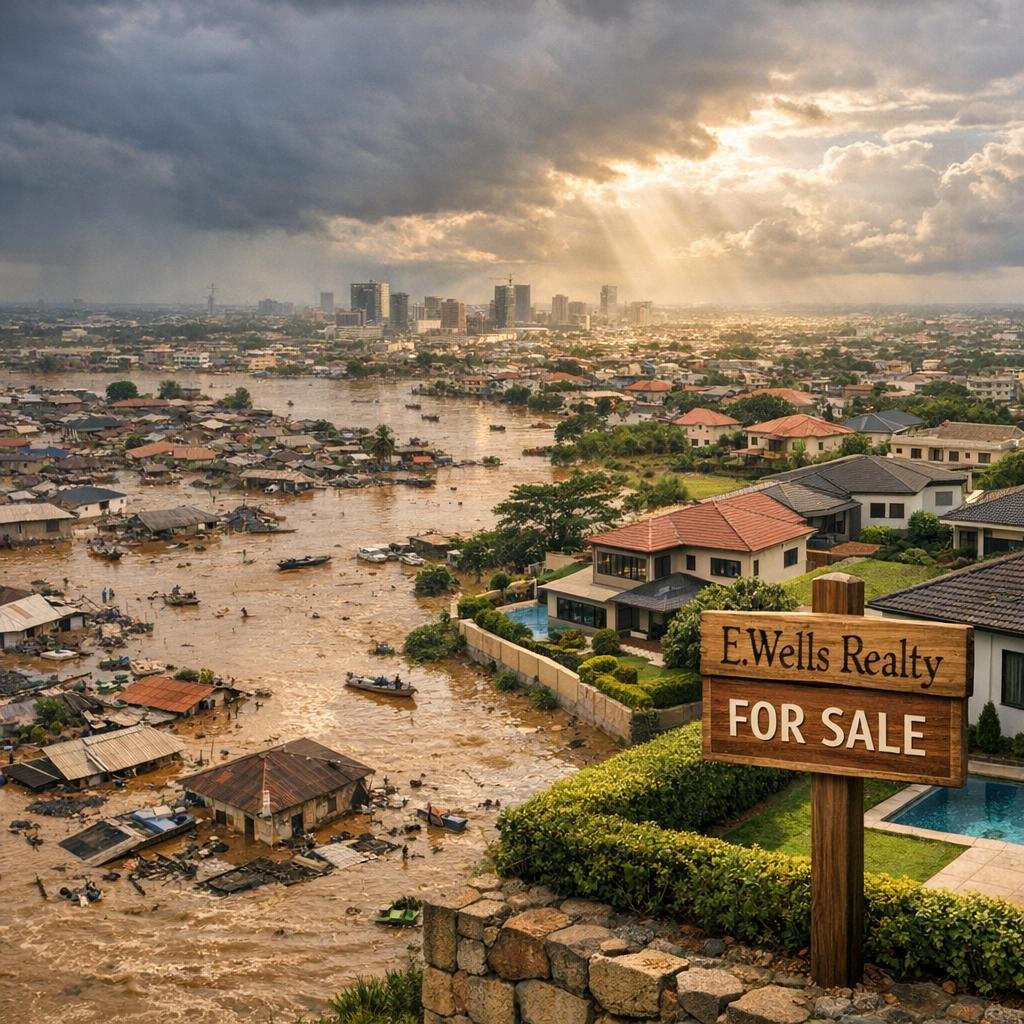
At least 13 people have died in Accra following severe flooding triggered by torrential rainfall that began on Sunday night, June 29, 2026. According to BBC News, approximately 140mm of rain fell on Ghana’s capital in a single day, more than double the 56mm recorded as the highest single-day rainfall in 2025. The Ghana National Fire Service has rescued over 470 people, with emergency teams from the police, military, and National Disaster Management Organisation deployed across flood-affected regions. Low-lying areas were particularly hard hit, with homes and vehicles submerged, buildings destroyed, and a major fire ignited at a rubber factory.
President John Mahama attributed the disaster to climate change and rapid, unplanned urbanisation, ordering the demolition of all illegal structures built on waterways. The Ghana Grid Company Limited and the Electricity Company of Ghana temporarily shut down power to affected areas as multiple substations flooded. The Ghana Meteorological Agency has warned that more rain is expected, urging residents to stay indoors or move to higher ground.
Core insight: This flooding disaster underscores a critical reality for Ghana’s property market: location, drainage infrastructure, and legal compliance are not optional considerations but essential safeguards. For buyers, sellers, and investors, flood risk is now a non-negotiable factor in property valuation, neighbourhood selection, and long-term asset security.
What Does This Mean for Property Buyers and Investors in Accra?
This event is a direct signal to local buyers and diaspora investors that flood risk must be assessed before any property transaction. Accra, home to more than four million people according to the World Health Organisation, faces chronic flooding issues driven by poor drainage systems, clogged gutters, and illegal construction on waterways. These are not abstract urban planning problems. They translate directly into property damage, loss of life, and diminished asset value.
For buyers considering homes in low-lying areas or neighbourhoods with inadequate drainage, this disaster is a reminder to ask hard questions before committing. Does the property sit in a flood-prone zone? Are drainage systems functional and maintained? Is the land title clean, or does the property encroach on a waterway or wetland? These questions are not alarmist. They are practical.
Diaspora investors, in particular, may not have the on-ground visibility to assess flood risk from abroad. This is where local knowledge and consultancy support become essential. A property that looks attractive in photos may sit in a basin that floods annually. A plot offered at a discount may be illegally sited on a drainage corridor, vulnerable to government demolition as President Mahama has now ordered.
How Does Climate Change Affect Property Values and Neighbourhood Stability?
Climate change is intensifying rainfall patterns across West Africa, and Accra is on the front line. The 140mm of rain that fell in a single day is not an anomaly. It is part of a pattern that President Mahama described as intensified by climate change and rapid, unplanned urbanisation. For property owners and prospective buyers, this means that neighbourhoods once considered safe may now face recurring flood risk.
Property values in flood-prone areas are likely to face downward pressure as buyers become more risk-aware. Conversely, properties in elevated areas with proven drainage infrastructure and legal compliance may see increased demand. This is not speculation. It is a market response to observable risk.
For sellers, transparency about flood history and drainage conditions is becoming a competitive advantage. Buyers are asking more questions, and properties with documented resilience, such as elevated foundations, functional drainage, and verified legal status, will command stronger interest.
What Should Buyers and Investors Do Next?
First, verify the flood history of any property or neighbourhood under consideration. Speak to residents, review past rainfall events, and consult local authorities or consultancy firms with on-ground knowledge. Second, confirm that the property does not encroach on waterways, wetlands, or drainage corridors. Illegal structures are now subject to demolition, as President Mahama has made clear. Third, assess drainage infrastructure. A property in a well-planned estate with functional drainage systems is a safer investment than a standalone plot in a low-lying area with no visible water management.
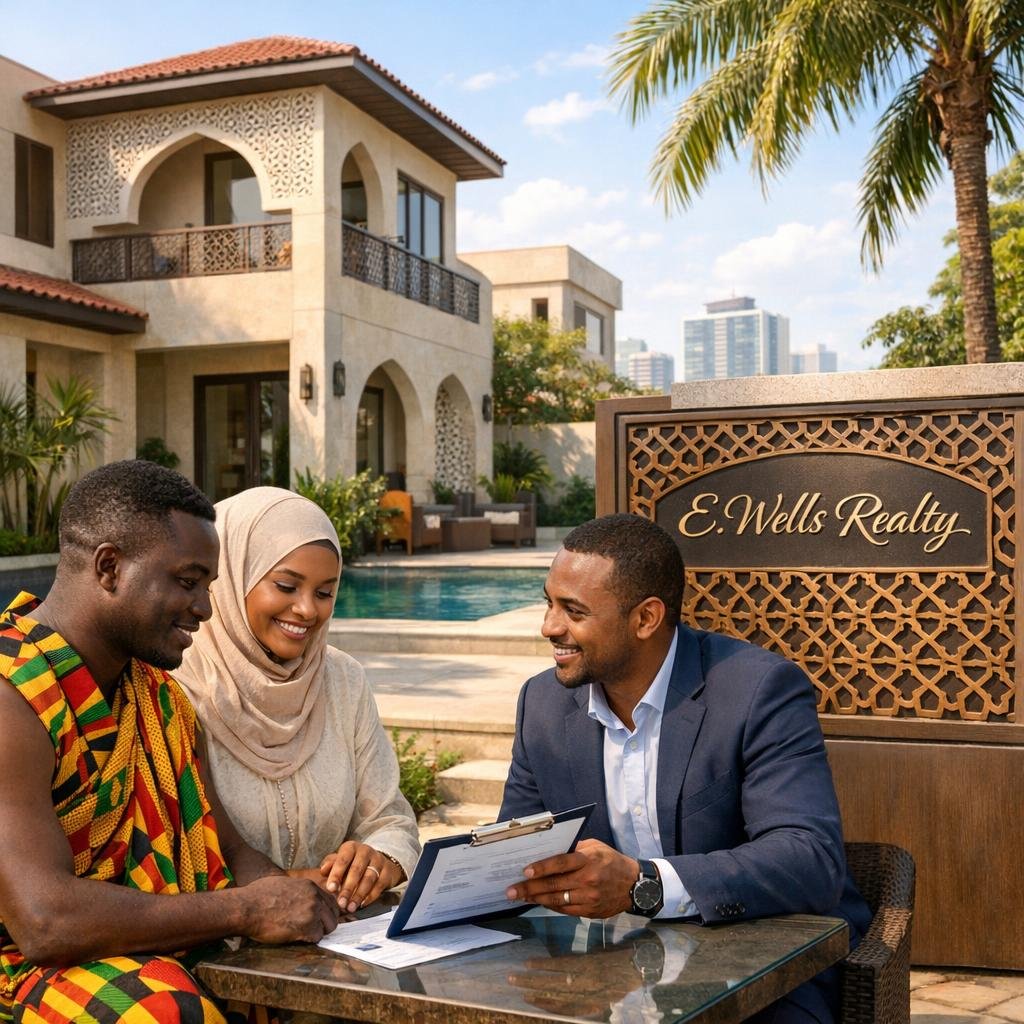
For diaspora investors, these steps are difficult to execute remotely. This is where a trusted consultancy partner becomes indispensable. E. Wells Realty & Consultancy provides on-ground verification, neighbourhood assessments, and title checks that protect clients from flood risk, land disputes, and illegal construction. Non-citizens acquire property in Ghana through renewable leaseholds of up to 50 years, and ensuring that leasehold is tied to a legally compliant, flood-resilient property is essential.
Land registration in Ghana typically takes 6 to 12 months, and land-related disputes are common in the courts. Title verification before payment is non-negotiable, and flood risk assessment should now be part of that due diligence process.
Is Now a Good Time to Invest in Accra Real Estate?
Accra remains one of Africa’s fastest-growing cities, and demand for housing continues to rise. However, this disaster is a reminder that growth alone does not guarantee sound investment. The quality of urban planning, the integrity of drainage systems, and the legal status of land are now as important as location and price.
For investors willing to do the due diligence, opportunities remain strong, particularly in well-planned estates, elevated neighbourhoods, and areas with documented infrastructure resilience. For those who skip the verification process or rely on unverified sellers, the risk has never been higher. The 2015 Accra floods, which triggered an explosion at a fuel station and resulted in 150 deaths, remain a stark reminder of what can happen when infrastructure fails and illegal construction goes unchecked.
WaterAid Ghana’s director Ewurabena Yanyi-Akofur called for stronger urban planning and preparedness measures to safeguard communities before, during, and after extreme weather events. For property buyers and investors, that call translates into a simple mandate: choose properties and neighbourhoods that reflect those standards.
Frequently Asked Questions
How can I check if a property in Accra is in a flood-prone area?
Request flood history from the seller, speak to neighbours, and consult local authorities or a real estate consultancy with on-ground knowledge. Properties in low-lying areas, near waterways, or in neighbourhoods with poor drainage are at higher risk. A site visit during or after rainfall can reveal drainage conditions that are not visible in dry weather.
Are properties built on waterways legal in Ghana?
No. Construction on waterways and drainage corridors is illegal in Ghana, and President Mahama has ordered the demolition of all such structures following the June 2026 floods. Buyers should verify that any property under consideration does not encroach on protected waterways or wetlands, as these properties are subject to government demolition without compensation.
Does flood risk affect property insurance in Ghana?
Yes. Properties in flood-prone areas may face higher insurance premiums or limited coverage. Buyers should confirm insurance availability and cost before purchasing, particularly in low-lying neighbourhoods or areas with a history of flooding. Properties with documented flood resilience, such as elevated foundations and functional drainage, may qualify for more favourable insurance terms.
Work with a Partner Who Knows the Ground
E. Wells Realty & Consultancy has guided homeowners and investors through Ghana’s property market since 2014, providing the on-ground verification and neighbourhood insight that protect clients from flood risk, land disputes, and illegal construction. Explore current listings, learn more about our consultancy services, or reach out directly at info@ewellsconsult.com.