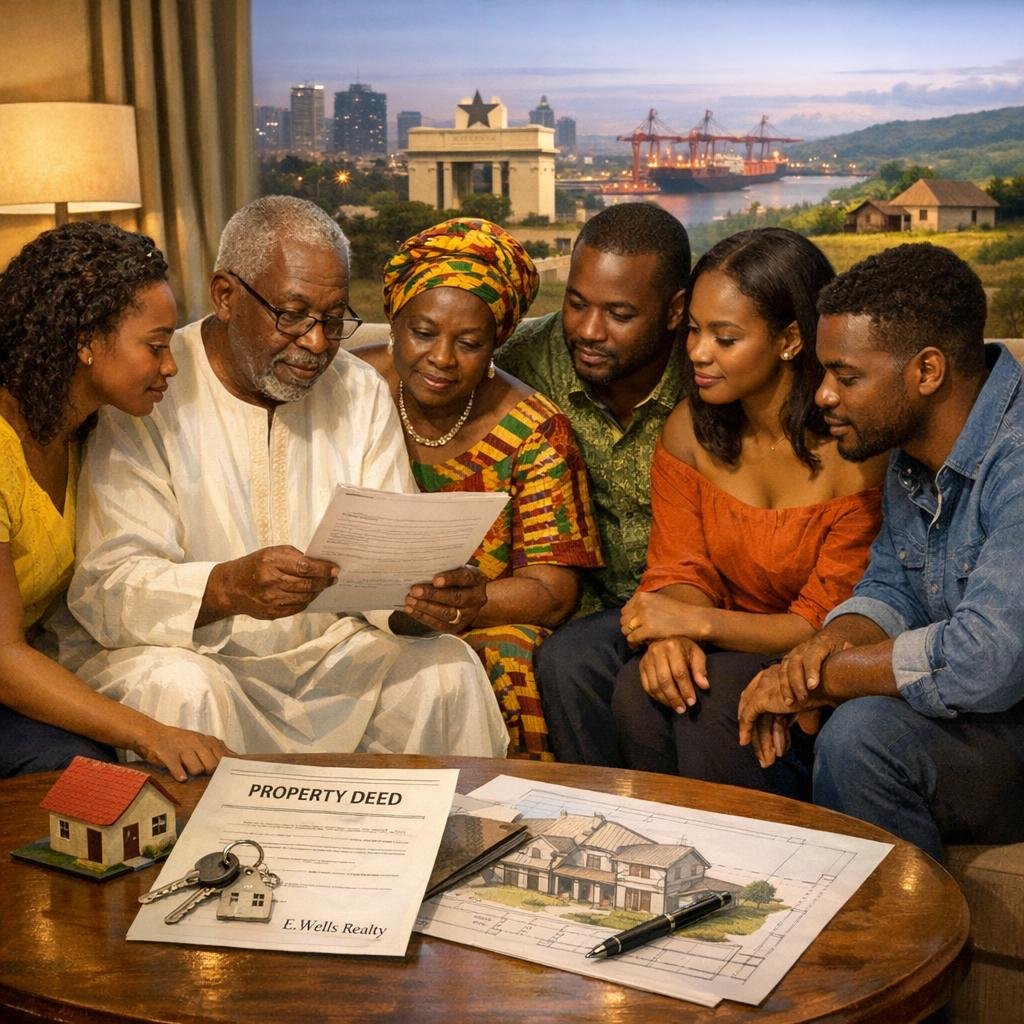

Ghana Grants Citizenship to Members of African Diaspora: What It Means for Property Investment
On March 10, 2026, new Ghanaian citizens took the oath of allegiance at a swearing-in ceremony in Accra, marking another milestone in Ghana’s decade-long effort to reconnect with the African diaspora. According to Africanews, Vice President Jane Naana Opoku-Agyemang stated that reconnecting Africa and her diaspora heals historical wounds and unleashes new possibilities for global cooperation, cultural renewal, and economic transformation. Since recognizing the historical diaspora ten years ago, Ghana has sworn in a thousand new citizens.
The ceremony comes at a significant moment. Last month, Ghana temporarily suspended new citizenship applications to make the process more accessible and efficient, though authorities have not yet announced when applications will resume. For those who have already completed the journey, like new citizen Chauncia Willis Johnson, the moment represents both a personal homecoming and a commitment to contribute to Ghana’s future.
Core insight: Ghana’s continued expansion of citizenship to the diaspora is creating a growing class of legally rooted investors who hold long-term stakes in the country’s development. For the property market, this shift from visitor to citizen may translate into increased demand for residential and commercial real estate, particularly in Accra and other urban centers where new citizens are likely to establish permanent or semi-permanent bases.
What Does Citizenship Mean for Property Rights in Ghana?
Citizenship fundamentally changes what you can own. Non-citizens acquire Ghanaian property through renewable leaseholds of up to 50 years, while freehold title is generally reserved for citizens. For the thousand individuals who have gained citizenship over the past decade, this distinction opens the door to outright land ownership, longer-term security, and the ability to pass property to heirs without the complications that can accompany leasehold arrangements.
This legal shift is likely to draw attention to neighborhoods where diaspora citizens are already investing. Areas such as East Legon, Airport Residential, and Cantonments have long attracted diaspora buyers. With citizenship, those buyers gain the same property rights as any Ghanaian-born citizen, which may increase their willingness to commit larger sums to land acquisition and development.
Is This the Right Time for Diaspora Investors to Enter the Market?
Yes, but with clear-eyed preparation. The suspension of new citizenship applications signals that Ghana is refining its processes, not closing its doors. For those already holding citizenship or considering the path forward, the property market remains open and active. However, the fundamentals that protect any buyer in Ghana apply equally to new citizens: title verification before payment is non-negotiable, and land-related disputes are common in Ghana’s courts.
The emotional pull of citizenship should not override due diligence. Land registration in Ghana typically takes 6 to 12 months, and even citizens must navigate the same Lands Commission processes as any other buyer. The advantage of citizenship is not speed, it is security and permanence. New citizens should approach property acquisition with the same rigor as any investor, working with verified professionals who understand both the legal landscape and the local market.
What Does This Mean for Local Sellers and the Broader Market?
For local Ghanaian sellers, the expansion of the citizenship base represents a potential widening of the buyer pool. Diaspora citizens are often financially established, motivated by long-term goals rather than speculative flips, and interested in properties that serve both personal and investment purposes. This may create upward pressure on pricing in sought-after neighborhoods, though broader economic factors such as interest rates and mortgage availability will continue to play a larger role in market direction.
For the general market, the symbolic weight of citizenship ceremonies and the government’s continued emphasis on diaspora engagement under President Mahama’s administration suggest that policy support for diaspora investment is likely to remain strong. The record $7.8 billion in remittances sent home by Ghanaians abroad in 2025, as cited during the December 2025 Diaspora Summit in Accra, underscores the financial capacity of this community. A portion of those remittances will inevitably flow into real estate, whether for family homes, rental properties, or commercial ventures.
What Should New Citizens and Prospective Buyers Do Next?
If you are a new citizen or considering the citizenship path, begin by clarifying your property goals. Are you building a family home, acquiring land for future development, or purchasing rental property for income? Each goal requires a different approach to location, financing, and timeline. Work with a consultancy that understands both the legal requirements and the practical realities of buying in Ghana, particularly if you are managing the process from abroad.
Verify every title before making any payment. Even with citizenship, the risk of land disputes does not disappear. Engage a lawyer familiar with land law, confirm that the seller’s documentation is genuine, and ensure that the property is free of encumbrances. These steps are not optional, they are the foundation of a secure transaction.
For those still waiting for citizenship applications to resume, use the time to research neighborhoods, understand pricing trends, and build relationships with trusted advisors on the ground. The suspension is temporary, and when applications reopen, you will be better positioned to move quickly and confidently.
Frequently Asked Questions
Can new Ghanaian citizens buy freehold property immediately after citizenship?
Yes. Once citizenship is granted, new citizens have the same property rights as any Ghanaian-born citizen, including the ability to acquire freehold title. However, the standard land registration process still applies, which typically takes 6 to 12 months, and all buyers must complete full title verification before payment.
Does citizenship make the property buying process faster or easier in Ghana?
Citizenship changes what you can own, not how quickly you can own it. New citizens still navigate the same Lands Commission processes, title searches, and registration timelines as any other buyer. The advantage is legal permanence and the ability to hold freehold title, not a shortcut around due diligence or administrative timelines.
Should I wait for citizenship applications to resume before exploring property options?
No. You can begin researching neighborhoods, understanding market conditions, and identifying trusted advisors now. Non-citizens can still acquire property through renewable leaseholds of up to 50 years, and many diaspora investors build successful portfolios under leasehold arrangements. Citizenship expands your options but does not need to delay your planning.
E. Wells Realty & Consultancy has been a trusted partner for homeowners and investors in Ghana since 2014, guiding clients through every stage of property acquisition with the care and rigor this market demands. Explore current listings, learn more about our consultancy services, or reach out directly at info@ewellsconsult.com to discuss your next step with confidence.